Modern Textile Manufacturing Processes – Role of Starch
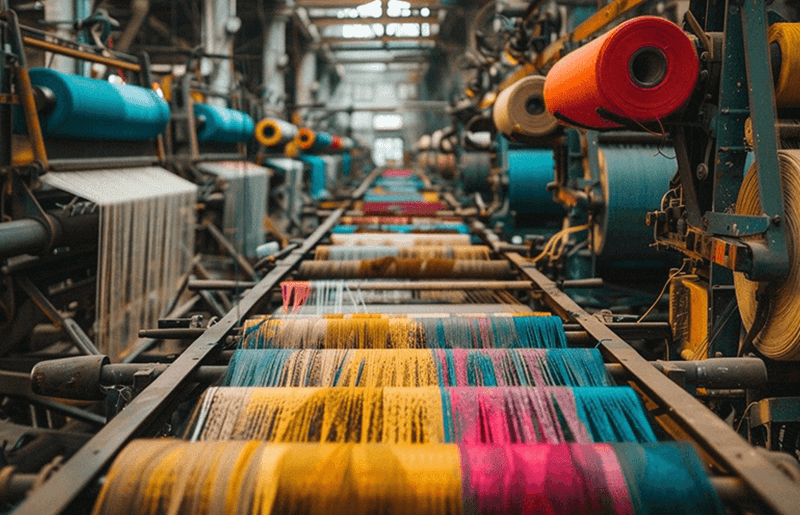
The textile industry has evolved significantly with advanced processing technologies and the optimized use of natural polymers such as starch. Modern textile manufacturing emphasizes consistent fabric quality, improved strength, smooth weaving performance, and cost-effective production while reducing environmental impact. Starch plays a vital role in enhancing yarn performance and fabric appearance during various stages of textile processing.
Use of Starch in Textile Processing and Finishing
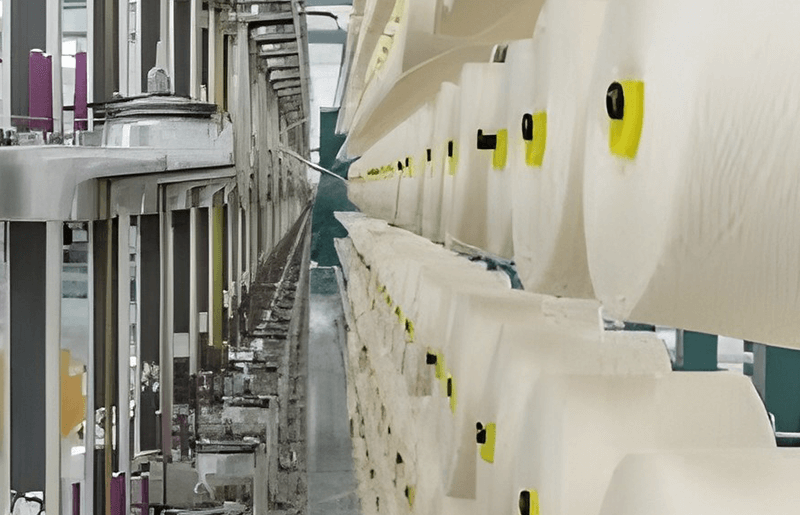
Starch is widely used in textile processing, particularly in sizing, finishing, and surface treatment applications. During yarn sizing, starch acts as an effective binding agent, improving yarn strength, abrasion resistance, and weaving efficiency. Modified starches ensure better film formation, flexibility, and easy removal during desizing, enabling uniform dye penetration and improved fabric quality.
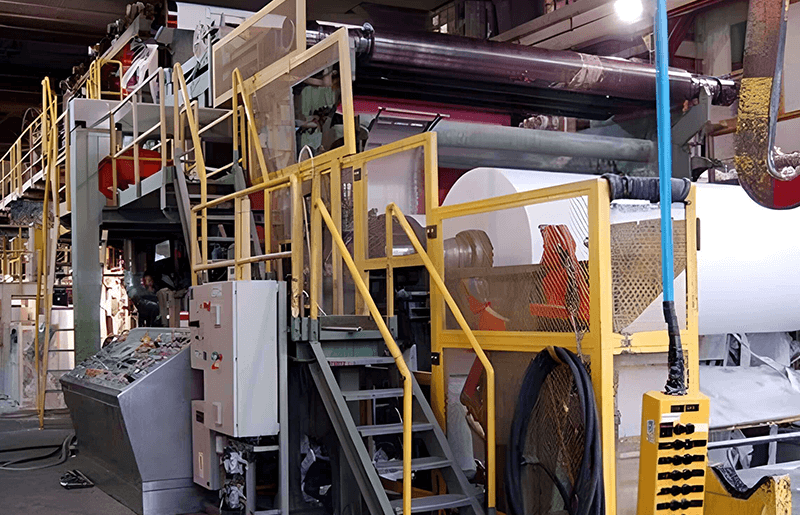
In fabric finishing, starch-based formulations enhance fabric stiffness, smoothness, body, and appearance, especially for cotton and blended fabrics. Starch helps achieve improved handle, crease formation, and dimensional stability, making fabrics suitable for garment production and end-use performance.